Professor Michael G. Smith featured as Purdue University Press celebrates 65 years of scholarly publishing
This story was originally published by Purdue University Press. You can read the article at this link.
November 17, 2025 | PurduePress
As Purdue University Press celebrates 65 years of scholarly publishing, we’ve asked a few authors who’ve published multiple books with us, are affiliated in some way with Purdue University, or both, to tell us about Purdue University Press from their point of view.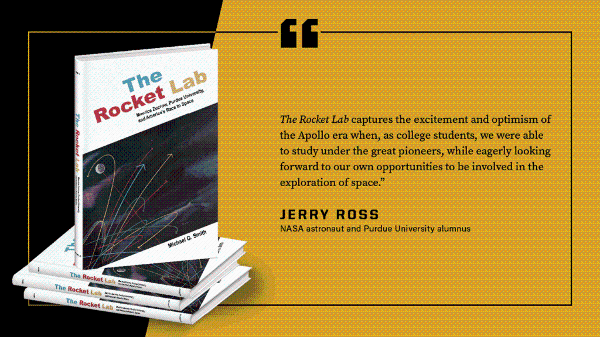
What are some of the advantages of publishing with a scholarly press?
I’d say the care and attention to detail, in peer review (having other experts approve and critique the work), and in the relationship between author and press. Justin Race and his staff were very forgiving of my stumbles.
Tell us about a university press publication that had an impact or made a lasting impression on you.I can remember reading my first academic books, from university presses, in the library of my undergraduate university, back in 1980. These universities seemed so exotic and important. My Jesuit teacher in US Diplomatic History had us read a book a week. I chose Robert May’s, The Southern Dream of a Caribbean Empire (Louisiana State University Press, 1973). I loved it. This unconsciously became one of my models for good history writing. Turns out, I was astounded to meet Bob May when I came to Purdue fifteen years later (and told him the story). He and Jill May are Purdue Press authors too.The small and wonderful world of university presses.