Research on the “Liar’s Dividend” Gains Attention
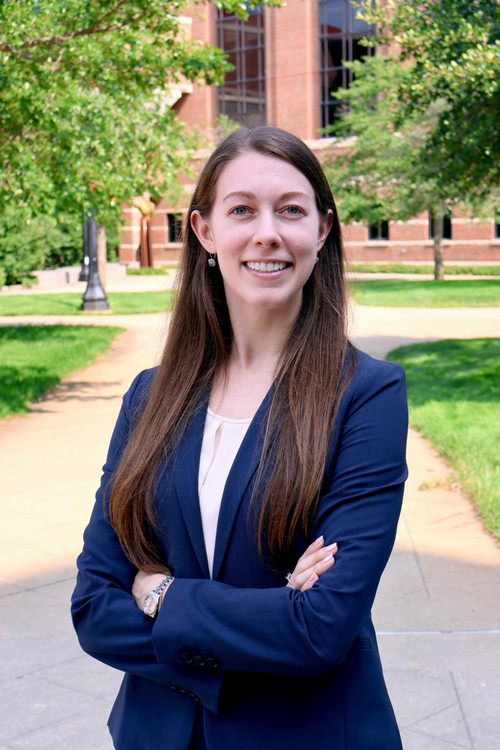
“The Liar’s Dividend: Can Politicians Claim Misinformation to Evade Accountability”, recently published in the American Political Science Review, is research by Dr. Kaylyn Jackson Schiff, Dr. Daniel S. Schiff, and Dr. Natália S. Bueno. The study is gaining attention from journalists and think tanks seeking to understand the potential impacts of artificial intelligence on elections.
In a CNN interview with Michael Smerconish, Dr. Kaylyn Jackson Schiff explains that the research found evidence that politicians can retain voter support by claiming negative stories about them are “fake news,” exploiting widespread confusion surrounding AI-generated content and misinformation.
By falsely claiming to be targets of misinformation campaigns, candidates facing real scandals can create uncertainty among voters about whether the scandals actually occurred and can even rally their supporters. Notably, the researchers find that false claims of misinformation are more effective than other responses to a scandal, such as apologizing or remaining silent.
Although the findings are concerning, Dr. Schiff notes that fact-checking can help combat this type of misinformation about misinformation. Emerging efforts to watermark AI-generated images, videos, audio, and text may also help the public distinguish authentic content from fabricated material.
The research has received additional attention in several media and policy outlets:
- The article was featured in Political Science Now.
- The authors wrote a commentary for the Brookings Institution, “Watch Out for False Claims of Deepfakes, and Actual Deepfakes This Election Year.”
- The research was featured in an expert brief from the Brennan Center for Justice.
- The findings also informed related Brookings coverage of generative AI in a global election year and the potential effects of AI, TikTok, and the liar’s dividend on the 2024 elections.
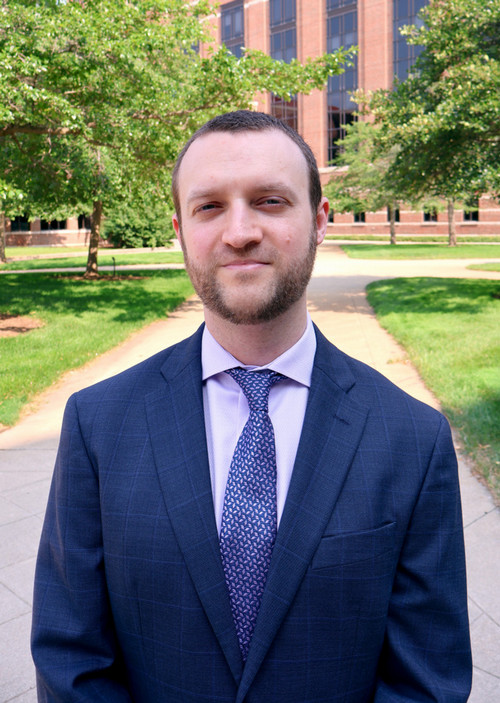
This research is part of a broader agenda at Purdue’s Governance and Responsible AI Lab (GRAIL), co-directed by Dr. Kaylyn Jackson Schiff and Dr. Daniel Schiff. GRAIL supports research projects examining the social, ethical, and governance implications of artificial intelligence.
In a recent article in The Conversation, “Generative AI Like ChatGPT Could Help Boost Democracy—If It Overcomes Key Hurdles,” the authors explore the potential benefits of generative AI for civic knowledge and communication between constituents and their representatives. They also caution that AI is not a panacea for longstanding challenges in political participation and representation.
Other GRAIL projects include developing the AI Governance and Regulatory Archive (AGORA) and the Political Deepfakes Incidents Database.
GRAIL’s research has received funding from the National Institute of Justice, Google, and Arnold Ventures. The lab’s work appears in leading journals across public policy, public administration, political science, criminology, and education.