
CAPT Center for American Political History, Media, and Technology
CAPT promotes the study of American political history and its intersections with modern communications technology with a goal of utilizing the best insights of the humanities and social sciences to advance a better understandings of the past, present, and future of media, public discourse, and American democracy in the information age.
Leadership
Faculty Fellows
Postdoctoral Fellows
Advisory Board
ANNUAL SUMMIT
PROGRAMMING
AFFILIATED LABS
FELLOWSHIPS
Our Mission
CAPT supports and helps disseminate research grounded in the humanities and social sciences that analyzes the intersections of politics and communicates technology in modern American history. While Americans have access to more information than ever before, the expansion of media options and advancement of disinformation and deep fake technology have changed the nature of political communication in society. This center will generate historically grounded conversations around these issues and forge enlightened present day solutions to address the challenges associated with increasing political polarization and partisan divides in modern America.
Connect with CAPT on LINKEDIN
The CAPTivated Podcast: What's Wrong With Our Media?
Join political scientist Hanna Sistek, media historian Sage Goodwin, and communication scholar Julius Freeman at the Center for American Political History, Media, and Technology as they dig into two big questions: What's wrong with our information environment? And what can we do to make it right?
From disinformation and polarization to algorithmic news feeds and attention traps, we explore the forces reshaping how we understand the world and each other. We pick the brains of researchers, journalists, technologists, and other experts to unpack the major problems with our digital public sphere today, how we got here, and what we should do about it.
Along with their insights guests share their own "media diets," the good, the guilty, and how they hit reset when the noise becomes too much.
Join us to cut through the chaos, find signal, and rethink how we engage with the media that shapes our lives.
Learn more about CAPTivated here.
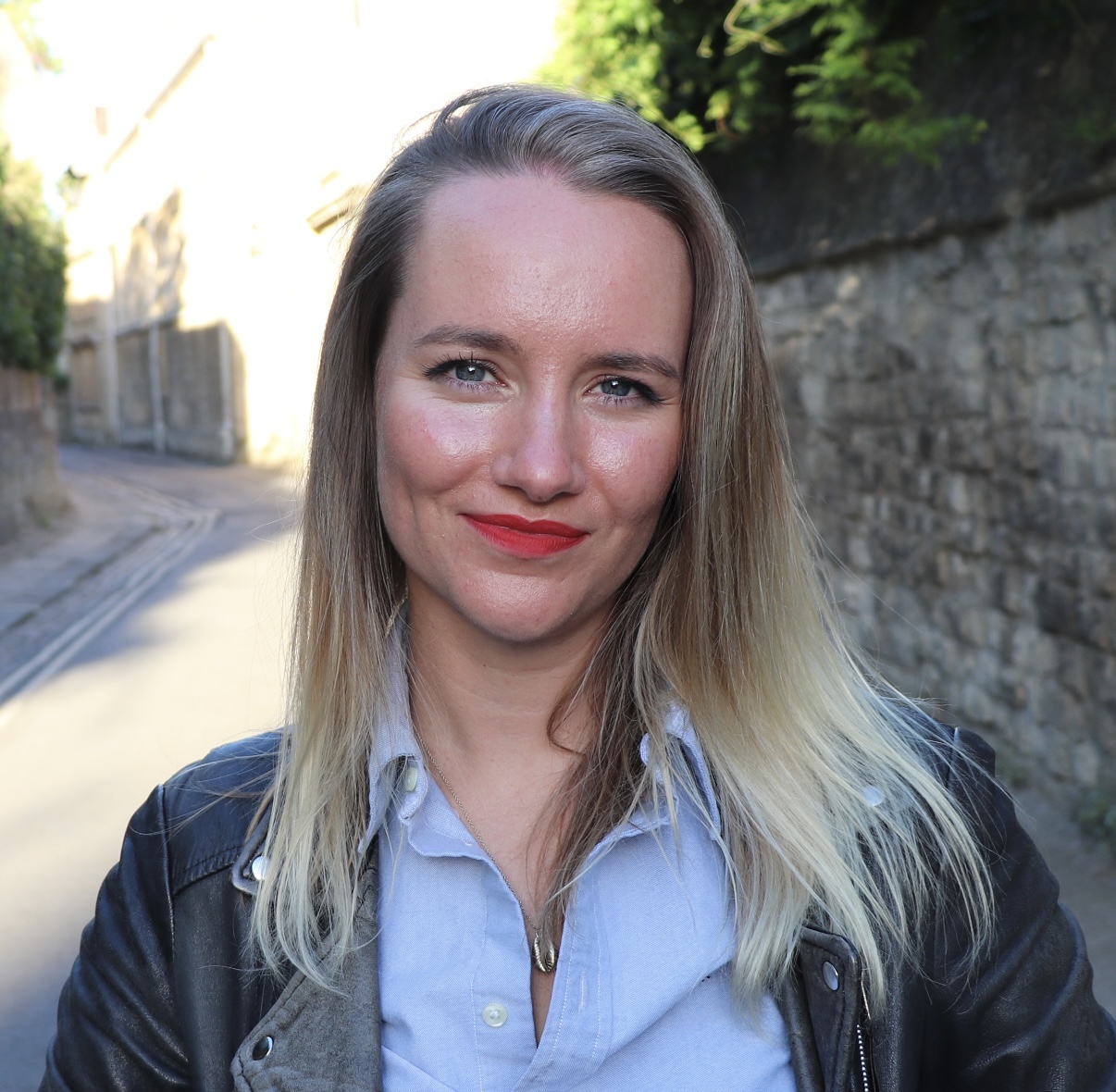
Sage Goodwin Co-Authors Piece for "The Conversation"
Sage Goodwin, postdoctoral fellow at CAPT, co-authored a recent piece for "The Conversation" with Oscar Winberg, postdoctoral fellow at the University of Turku. Their work examines how today's TV networks remain even more vulnerable to political pressure than in years past.
Check out the piece by visiting this link.
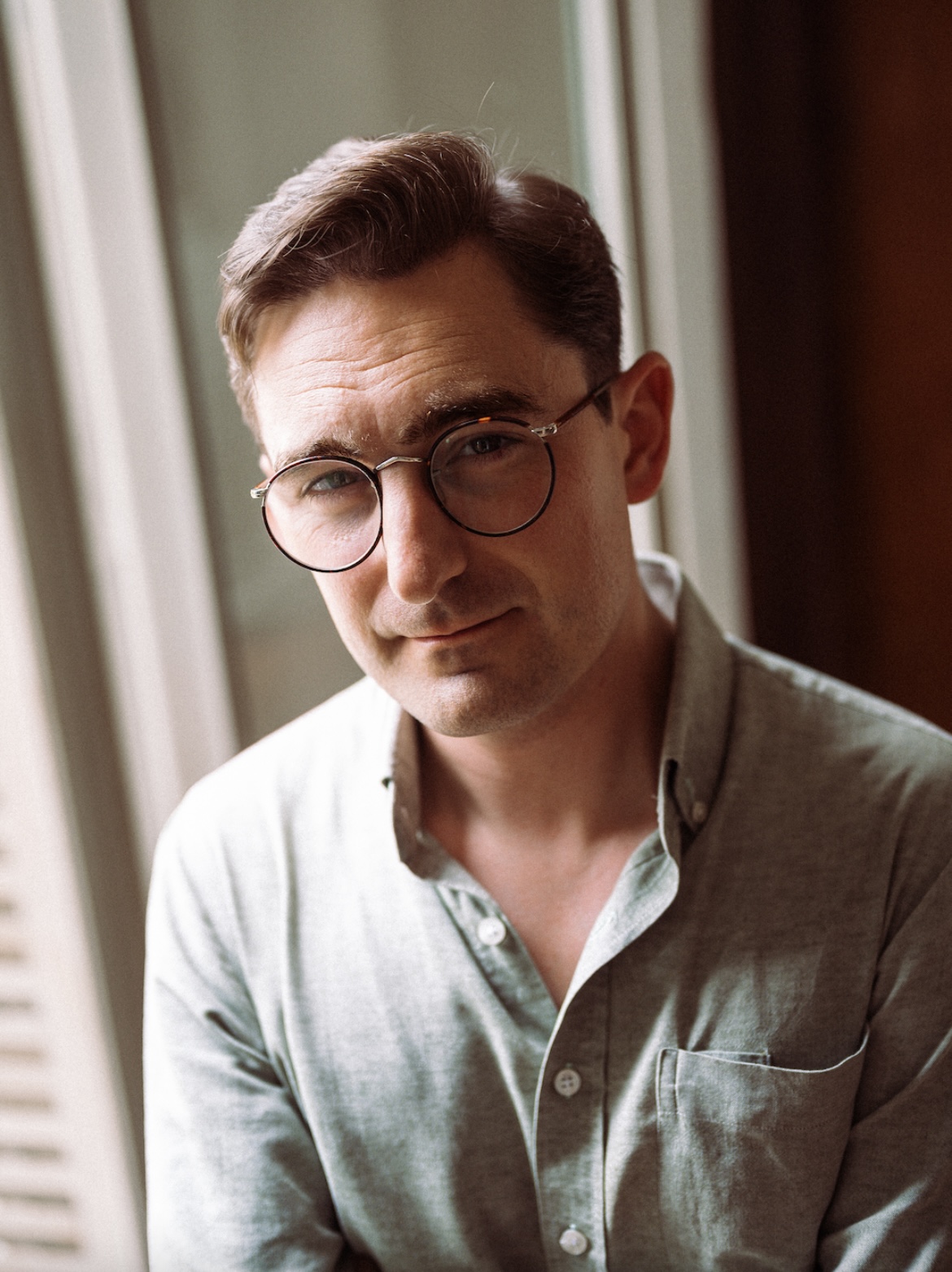
TIME Magazine's "Made by History" publishes "How We Oversimplified the History of the Vietnam War" by Dr. Andrew Bellisari
Andrew Bellisari, Assistant Professor in the Department of History and Faculty Fellow at the Center for American Political History, Media, and Technology (CAPT), is author of a recent piece in TIME Magazine's "Made by History." Dr. Bellisari's article, which explores the memory and legacy of the complex Vietnam War and its many different narratives, was presented and workshopped with faculty and graduate students as part of CAPT's seminar series.
To read the article, visit this link.