Richard Blanco Brings a Vision of Connection to Purdue as Moveable Dream Hire
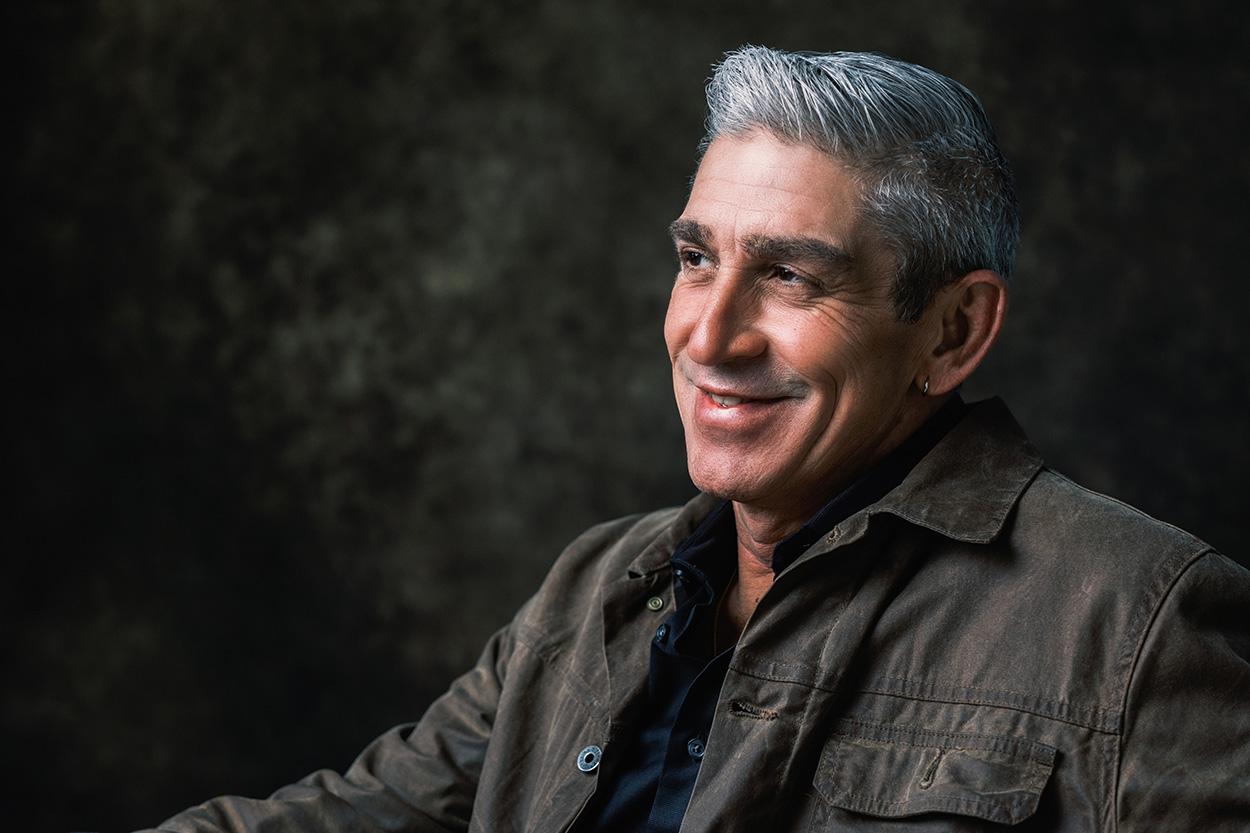
Richard Blanco has spent much of his life crossing boundaries. He has crossed countries, growing up between the cultures of Cuba, Spain and the United States. He has crossed disciplines, building a successful career as a civil engineer before becoming one of America's most celebrated poets. And throughout his work, he has explored the spaces between identity and belonging, logic and creativity, science and the humanities.
This fall, Blanco brings that unique perspective to Purdue University as a professor of English and Dean's Fellow in the College of Liberal Arts through Purdue's Moveable Dream Hire program.
Best known as the fifth Presidential Inaugural Poet in U.S. history, Blanco read his poem One Today at President Barack Obama's second inauguration in 2013. Since then, he has become an internationally recognized poet, memoirist and public speaker whose work explores questions of home, identity and what it means to belong.
Before joining Purdue, Blanco served as Distinguished Visiting Professor at Florida International University, where he taught creative writing and developed interdisciplinary courses that encouraged students to examine the connections between the humanities, engineering and the human experience.
Blanco's appointment reflects the college's commitment to preparing students not only for successful careers, but for thoughtful, engaged lives shaped by curiosity, creativity and human connection.
"Richard Blanco has built a remarkable career exploring the human experience through poetry, teaching and public service, and his ability to connect literature, engineering and lived experience will inspire students across Purdue,” said Justin S. Morrill Dean of the College of Liberal Arts Christopher Yeomans. “We are thrilled to welcome him to our community and look forward to the new opportunities he will create for students to engage with ideas that foster empathy, creativity and critical thinking."
As a dean's fellow, Blanco will work across colleges to foster collaboration between the humanities, engineering and the sciences while teaching in the Department of English. Through new courses, public programming and interdisciplinary conversations, he hopes to help students see that the most meaningful ideas often emerge where different ways of thinking intersect.
"It's my dream job," Blanco said. "There are very few places where I can use the analytical and creative sides of my brain combining these two disparate but meaningful careers I've had."
Growing up in a working-class Cuban immigrant family in Miami, pursuing the arts didn't feel like a practical option. He earned a degree in civil engineering and spent years designing infrastructure projects for a consulting firm.
"The narrative sometimes is that I was forced to study engineering and then I discovered poetry," Blanco said. "It wasn't at all like that. I still love engineering. In fact, I miss it."
By day, Blanco wrote engineering reports, proposals and technical studies. By night, he attended poetry workshops and eventually earned a master of fine arts while continuing to work full time.
Looking back, he sees both careers drawing on the same habits of mind.
"I feel like my mind is functioning the same whether I'm designing a bridge or designing a poem," he said.
That realization has shaped the work he hopes to do at Purdue.
Blanco is spending his first months meeting with faculty across the College of Liberal Arts, engineering and the sciences, learning where new partnerships can flourish. He is also exploring opportunities to develop interdisciplinary courses inspired by his previous class, The Human Engineer, and a speaker series featuring innovators whose careers bridge multiple fields.
His goal isn't simply to bring engineers into conversations about poetry. It's to encourage every student to think beyond the boundaries of a single discipline.
"The humanities teach us to be more self-aware and more aware of the world," Blanco said. "Any person that can do that is going to be a better doctor, lawyer, engineer, teacher, mother, father — anything."
No matter what students are studying, Blanco hopes they leave with more than technical expertise. He hopes they develop curiosity, empathy and an appreciation for perspectives beyond their own.
"Our career is important," Blanco said. "But our happiness also comes from having this life work out and thinking about what that means to us."
For someone whose work has long asked what it means to belong, Purdue represents more than the next stop in his career.
It represents a place where every part of his journey — engineer, poet, teacher and public thinker — can finally come together.