Design Studies Overview
The Bachelor of Arts in Design Studies equips students with a comprehensive skill set, blending creative design principles with business acumen. By mastering core design skills such as composition, typography, and digital tools, students build a strong foundation for their careers. They apply design thinking to solve complex challenges, grounded in a deep understanding of design history and its broader societal contexts. Ethical considerations such as sustainability and inclusion are central to their learning, ensuring socially responsible design practices.
The program emphasizes effective communication, interdisciplinary collaboration, and teamwork, fostering the ability to work across fields like engineering and business. Students also develop a firm grasp of marketing and entrepreneurship, preparing them to navigate the intersection of design and business. With a focus on staying current with industry trends and technological advancements, graduates are well-prepared for the evolving demands of the design industry, whether pursuing advanced study or entering professional practice.
While students majoring in Design Studies do go on to advanced study in studio-based design, the BA in Design Studies is not a preparatory program for the practice of design. Students wishing to enter the studio program may apply during their First Year in Design Studies.
- Develop fundamental design skills: Students will demonstrate proficiency in core design principles, including graphic composition, typography, spatial organization, and design software.
- Apply design thinking: Students will apply design thinking methodologies to analyze and solve complex problems, creating innovative solutions.
- Understand design history and theory: Students will gain a thorough understanding of design history and theory, with attention to its social, cultural, political, and technological contexts.
- Analyze ethical issues in design: Students will critically examine ethical concerns in design practice, such as sustainability, accessibility, inclusion, representation, discrimination, appropriation, and social responsibility.
- Communicate effectively: Students will articulate their design ideas clearly and persuasively through verbal, written, and visual communication.
- Foster collaboration and teamwork: Students will collaborate with professionals across disciplines, including designers, engineers, and business experts, to create successful design solutions.
- Understand marketing and entrepreneurship: Students will gain an understanding of marketing and entrepreneurship within the design business, learning how design intersects with business management.
- Stay current with industry standards and trends: Students will stay informed about emerging trends, technological advancements, and industry standards, preparing them for further study or professional practice.
Key Features
A comprehensive approach integrating design, technology, humanities, and business education is vital to preparing students for diverse career paths. By blending design thinking with business strategies, offering a flexible curriculum tailored to personal goals, and emphasizing hands-on, collaborative projects, graduates are well-equipped for creative direction, design management, and entrepreneurship roles.
- Interdisciplinary Approach: A unique blend of design, technology, humanities, and business education.
- Design and Business Foundations: Learn and apply design thinking to real-world business strategies.
- Flexible Curriculum: Tailor coursework to match personal career goals.
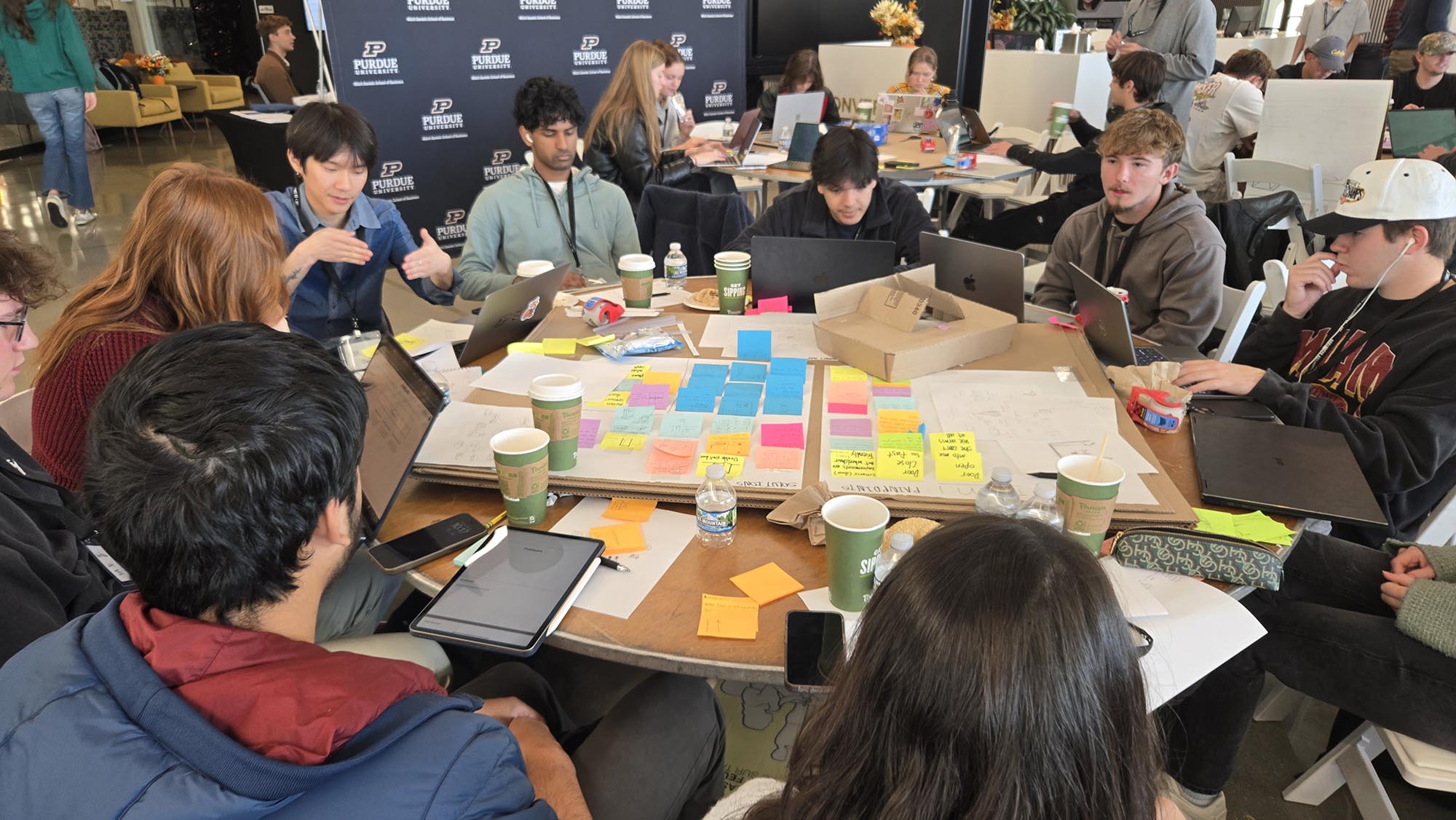
- Collaborative Projects: Hands-on experience through teamwork and real-world challenges.
- Career Preparation: Graduates are ready for roles in creative direction, design management, and entrepreneurship.
Facilities
Students have access to cutting-edge facilities equipped with advanced digital fabrication tools, including 3D printers, laser cutters, CNC machines, AI-driven design software, and digital prototyping technologies. These resources allow students to explore innovative design solutions, gain practical, hands-on experience, and showcase their work. Collaborative studio spaces encourage teamwork and interdisciplinary projects, while the availability of industry-standard technologies ensures that students are well-prepared for competitive careers across various sectors.